
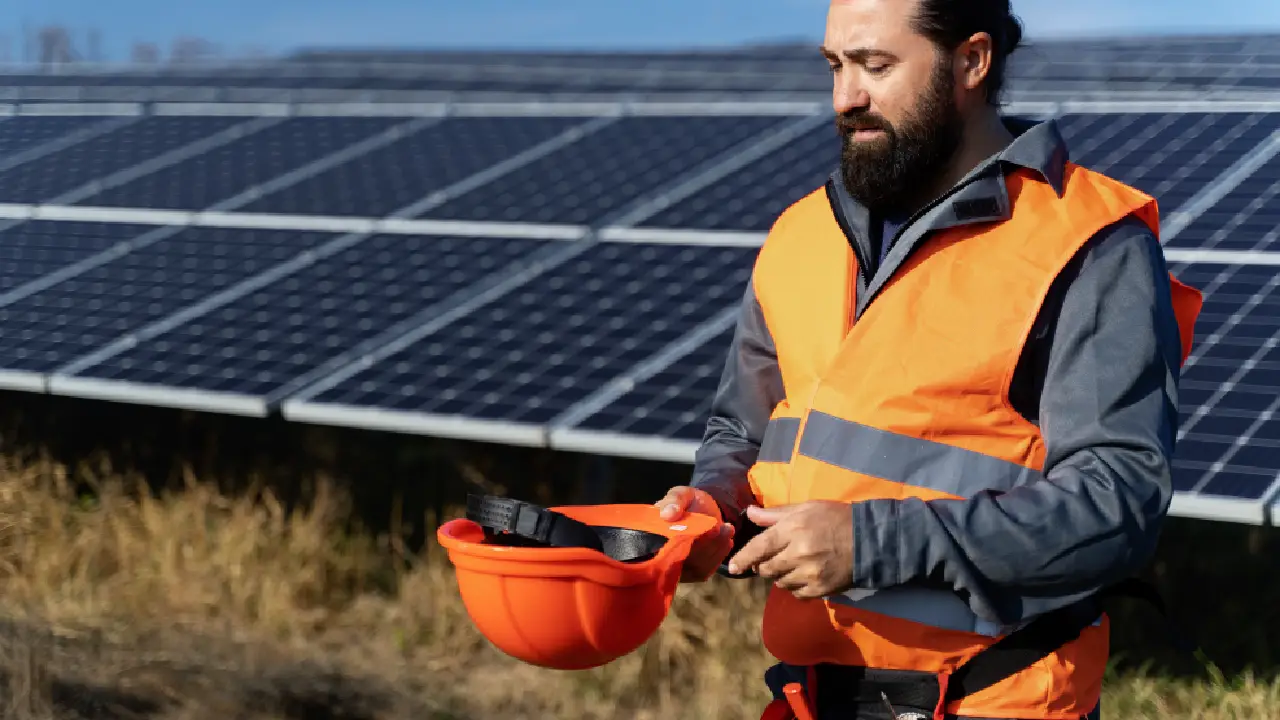
Solar System Maintenance: A Complete Guide to Keeping Your Panels Performing
By Team Faseeh Lall
Solar energy systems are designed to generate electricity for years, but their performance depends on more than the quality of the panels installed. Dust, debris, extreme weather, electrical faults, inverter problems, and aging components can gradually affect energy production if they are not identified and addressed.
Regular solar system maintenance helps property owners monitor system performance, identify potential problems, protect equipment, and maintain reliable electricity generation over time.
However, maintenance does not mean repairing or servicing every component on a fixed schedule regardless of its condition.
The better approach is to combine performance monitoring, routine inspections, preventive maintenance, and timely repairs based on the system's operating conditions and manufacturer recommendations.
For commercial property owners, facility managers, and solar asset owners, the real question is not simply, “Are the solar panels working?”
It is:
Is the entire solar system performing as expected, and what maintenance is needed to protect its long-term performance and financial value?
What Is Solar System Maintenance?
Solar system maintenance is the ongoing process of inspecting, monitoring, cleaning, testing, and servicing photovoltaic (PV) equipment to help maintain safe and reliable operation.
A typical solar energy system includes more than panels. It may also contain inverters, electrical wiring, connectors, mounting structures, monitoring equipment, disconnects, and other electrical components.
Maintenance requirements depend on the system design, installation environment, equipment specifications, and operating conditions.
Common solar maintenance activities include:
Solar panel inspection and cleaning
Inverter performance checks
Electrical connection inspections
Wiring and connector assessments
Mounting structure and hardware inspections
Performance monitoring and production analysis
Vegetation management for ground-mounted systems
Troubleshooting unexpected production losses
Reviewing system alarms and error codes
Coordinating repairs and warranty claims
Maintaining service records and inspection reports
For commercial properties, maintenance may also involve coordinating rooftop access, protecting building operations, documenting equipment conditions, and managing service providers.
A structured maintenance plan helps identify developing problems before they cause extended downtime or unnecessary production losses.
Why Is Regular Solar System Maintenance Important?
Solar panels generally require relatively little routine maintenance, but the complete system still needs appropriate oversight.
Without monitoring and inspection, small issues can remain unnoticed until they affect production or require more extensive repairs.
1. Maintain Expected Energy Production
Solar panels convert sunlight into electricity, but the energy a system generates can decline for several reasons.
These include:
Dirt and debris accumulation
New shading from trees or nearby structures
Inverter faults
Damaged modules
Electrical connection problems
Monitoring system errors
Equipment degradation
Regular performance reviews help identify whether the system is generating electricity within its expected range.
If a commercial solar installation produces less electricity than expected under comparable weather conditions, maintenance personnel can investigate the cause before assuming that the panels need cleaning.
2. Identify Equipment Problems Early
Solar equipment operates outdoors and is exposed to changing temperatures, moisture, wind, and other environmental conditions.
Over time, these conditions can contribute to loose connections, damaged wiring, deteriorating seals, mounting issues, and other equipment problems.
Routine inspections can help identify visible defects and unusual operating conditions before they develop into more serious issues.
Early identification does not guarantee that every failure can be prevented, but it can improve the chances of addressing problems before they result in prolonged downtime.
3. Protect Long-Term System Value
A commercial solar installation represents a significant investment.
Its value depends partly on how reliably it generates electricity, how well its equipment is maintained, and how effectively operating problems are managed.
Maintenance records, performance data, inspection reports, and repair histories help owners understand the system's condition over time.
These records can also support warranty discussions, performance analysis, budgeting, and equipment replacement decisions.
4. Improve Operational Reliability
For businesses that depend on solar generation to reduce electricity expenses, unexpected production losses can affect financial planning.
Monitoring and maintenance help operators identify faults, determine which issues require immediate attention, and coordinate corrective work.
A clear maintenance process can also reduce confusion about responsibility for inspections, troubleshooting, repairs, and follow-up verification.
5. Support Safe System Operation
Solar installations combine electrical equipment with outdoor exposure and, in many cases, rooftop access.
Damaged cables, exposed conductors, deteriorating components, and water intrusion can create safety concerns.
Qualified professionals should inspect and address electrical issues according to applicable safety requirements and manufacturer instructions.
Maintenance should protect people and equipment, not simply improve energy production.
What Does Solar System Maintenance Include?
A complete maintenance program covers the major parts of the solar installation rather than focusing exclusively on the panels.
Solar Panel Inspection
Solar modules should be checked for visible signs of damage or unusual conditions.
An inspection may identify:
Cracked or damaged glass
Discoloration or burn marks
Damaged frames
Persistent dirt or bird droppings
Delamination or other visible deterioration
New shading or obstructions
Water or debris accumulation around the array
Not every visible issue indicates a serious fault, and some defects may require specialist testing to confirm their significance.
Documenting findings helps owners compare the system's condition across inspections and prioritize follow-up work.
Solar Panel Cleaning
Dust, pollen, bird droppings, pollution, and other contaminants can reduce the amount of sunlight reaching photovoltaic cells.
The impact depends on the type and amount of contamination, local weather, module angle, and site conditions.
Cleaning may be appropriate when accumulated soiling is materially affecting production or when the manufacturer's recommendations indicate that cleaning is needed.
However, solar panels do not necessarily need to be cleaned every month or after every rainfall event.
A better approach is to evaluate visible conditions and monitoring data before scheduling cleaning.
Cleaning should follow the module manufacturer's instructions. Abrasive tools, unsuitable chemicals, and unsafe cleaning practices can damage equipment.
Inverter Inspection and Maintenance
The inverter converts the electricity produced by solar panels into electricity that can be used by a building or supplied to the grid.
Because the inverter is essential to system operation, its condition and performance deserve regular attention.
Maintenance checks may include:
Reviewing error messages and alarms
Checking operating status
Reviewing conversion and production data
Inspecting accessible equipment for visible damage
Checking ventilation and cooling requirements
Reviewing manufacturer-recommended servicing
Investigating repeated shutdowns or unusual output
Some inverter problems can be identified through monitoring, while others require an on-site inspection by a qualified technician.
Opening electrical equipment or carrying out internal repairs should be left to appropriately trained personnel.
Electrical Wiring and Connection Checks
Electrical components must remain in suitable condition for safe and reliable operation.
Depending on the installation and maintenance scope, inspections may include wiring, connectors, cable routing, visible insulation, disconnects, grounding and bonding arrangements, and other electrical equipment.
Warning signs may include visible cable damage, unusual discoloration, repeated faults, or evidence of water intrusion.
Electrical inspections and testing should be performed by qualified professionals using appropriate procedures.
If a fault is suspected, owners should avoid touching exposed wiring or attempting repairs themselves.
Mounting Structure and Hardware Inspection
Solar panels rely on mounting structures to remain securely positioned.
Wind, weather exposure, corrosion, and building movement can affect mounting components over time.
An inspection may look for:
Corrosion
Loose or damaged hardware
Visible structural movement
Deteriorated mounting components
Signs of water intrusion around roof penetrations
Changes that could affect panel alignment
For rooftop installations, maintenance personnel should also consider the condition of the roof and avoid practices that could damage roofing materials.
Any structural concern should be assessed by an appropriately qualified professional.
Monitoring System Review
A solar monitoring system provides valuable information about electricity generation, equipment status, and possible performance issues.
Depending on the equipment, monitoring may provide system-level data, inverter-level information, or more detailed production measurements.
Regular reviews can help identify:
Unexpected production declines
Inverter outages
Communication failures
Missing monitoring data
Persistent system alarms
Differences between expected and actual generation
Monitoring is especially useful when combined with weather information, historical production, and inspection findings.
It helps maintenance teams investigate problems using evidence rather than relying only on visual observations.
Solar System Maintenance Checklist
A maintenance checklist helps property owners, facility managers, and solar service providers follow a consistent process.
Performance and Monitoring
Review energy production against expected performance.
Check monitoring alerts and inverter error messages.
Investigate unexplained production declines.
Panels and Site Conditions
Inspect for visible damage and unusual discoloration.
Assess dust, pollen, bird droppings, and debris.
Check for new shading or vegetation growth.
Equipment and Structure
Review inverter operating condition.
Inspect accessible wiring and connectors for visible damage.
Check mounting components and roof areas for visible concerns.
Maintenance Records
Document inspection findings and photographs.
Record cleaning, repairs, and parts replaced.
Assign follow-up actions and verify completed work.
Electrical testing, equipment servicing, and work at height should be performed by qualified personnel using appropriate safety procedures.
Common Signs Your Solar System Needs Maintenance
Solar systems do not always show obvious signs when something is wrong.
Monitoring data and regular inspections can help identify issues before they cause prolonged production losses.
1. Electricity Production Has Dropped Unexpectedly
A reduction in electricity generation may indicate soiling, shading, equipment faults, or changes in weather.
Compare production with historical data while accounting for differences in sunlight and seasonal conditions.
If the decline cannot be explained, investigate the system.
2. The Inverter Displays an Error
Inverter alerts can indicate communication issues, grid conditions, overheating, or equipment faults.
Check the manufacturer's guidance and arrange qualified assistance if the warning persists or the system stops operating.
Do not assume that restarting the inverter will resolve the underlying cause.
3. Monitoring Data Is Missing
Missing data does not necessarily mean the panels have stopped generating electricity.
The cause could be a communication problem, monitoring equipment failure, or an interruption in data transmission.
However, without reliable monitoring, it becomes harder to confirm system performance and identify faults.
The monitoring issue should be investigated.
4. Panels Show Visible Damage or Persistent Contamination
Cracked glass, unusual discoloration, heavy bird droppings, or stubborn deposits may warrant professional assessment.
Cleaning may address contamination, but physical damage requires a separate evaluation.
5. Severe Weather Has Affected the Site
Hail, high winds, storms, flooding, and falling debris may affect panels, mounting hardware, electrical equipment, or nearby roofing.
A post-event inspection may be appropriate when conditions indicate a potential problem.
Do not access a damaged rooftop or touch potentially damaged electrical equipment until it is safe to do so.
How to Investigate Solar Performance Losses
When a solar system underperforms, identifying the cause is more important than immediately scheduling cleaning or replacing equipment.
A systematic troubleshooting process can help narrow down the problem.
Step 1: Review monitoring data. Check when the decline began, which equipment is affected, and whether alarms are present.
Step 2: Compare operating conditions. Consider sunlight, temperature, seasonal changes, shading, and other factors that influence production.
Step 3: Inspect the system. Look for visible contamination, damage, obstructions, or equipment issues, using appropriate safety procedures.
Step 4: Identify the likely cause. Determine whether the issue relates to soiling, the inverter, electrical components, monitoring equipment, or another factor.
Step 5: Arrange the appropriate corrective work. Clean the panels if justified, resolve monitoring issues, or engage qualified technicians for equipment repairs.
Step 6: Verify the outcome. Review subsequent production and confirm that the original issue has been addressed.
This process helps prevent unnecessary service costs and reduces the risk of treating the wrong problem.
How Much Does Solar System Maintenance Cost?
Solar maintenance costs vary based on the size and complexity of the installation, the services required, site access, and the condition of the equipment.
Common cost factors include:
Number of solar panels
Rooftop or ground-mounted installation
Access and fall-protection requirements
Cleaning requirements and water availability
Inverter type and quantity
Electrical testing requirements
Equipment repairs and replacement parts
Travel and labor
Documentation and reporting
Frequency of scheduled service
Routine inspections and monitoring reviews generally involve different costs from major electrical repairs or inverter replacement.
For commercial systems, owners should distinguish between preventive maintenance expenses and corrective maintenance costs.
Preventive maintenance focuses on inspecting equipment, identifying potential issues, and carrying out appropriate servicing. Corrective maintenance addresses faults that have already occurred.
The most useful maintenance budget considers the system's size, operating risks, equipment requirements, and the financial impact of potential downtime.
Is Solar System Maintenance Worth the Investment?
Maintenance should be evaluated in terms of system reliability, energy production, equipment condition, and operating costs.
Consider two commercial solar installations.
System A: Stable Performance
The system is producing within its expected range, monitoring is working correctly, and inspections have not identified significant concerns.
In this case, routine monitoring and planned inspections may be sufficient. Additional cleaning or servicing should be justified by actual conditions.
System B: Declining Production
The system has experienced a persistent production decline, and monitoring shows that an inverter has stopped operating.
Cleaning the panels alone would not resolve the problem. The inverter fault needs to be diagnosed and addressed.
This example highlights an important principle: the right maintenance action depends on the cause of the issue.
For commercial owners, the objective is to spend money where it can protect equipment, address risks, recover avoidable production losses, or prevent unnecessary downtime.
Solar System Maintenance and SREC Revenue
For eligible solar installations in markets with Solar Renewable Energy Credit (SREC) programs, electricity generation can have financial value beyond direct electricity savings.
Where applicable program rules link SREC creation to eligible generation, a reduction in actual electricity production may also reduce the credits generated during that period.
Maintenance can support this revenue opportunity by helping owners identify avoidable production losses, resolve equipment faults, and maintain reliable system operation.
However, maintenance does not guarantee additional SREC revenue. The financial effect depends on the cause of the production loss, the amount of electricity recovered, program eligibility, and applicable market conditions.
For commercial solar owners in Washington, D.C., and other relevant markets, performance monitoring and maintenance can form part of a broader strategy for protecting solar asset value.
Solar System Maintenance for Commercial Properties
Commercial solar installations often require more coordination than smaller residential systems.
Large rooftops, warehouses, office buildings, industrial properties, and ground-mounted arrays may contain substantial quantities of equipment and involve multiple contractors or maintenance teams.
Commercial maintenance planning should consider:
System-wide performance monitoring
Inverter and electrical equipment condition
Roof access and building protection
Safety procedures and contractor coordination
Production loss investigations
Cleaning and inspection records
Corrective maintenance priorities
Warranty and service documentation
Long-term asset performance
For larger installations, a documented maintenance strategy can help facility managers understand the condition of the system, prioritize issues, and make more informed operating decisions.
It also creates a clearer record of completed work and outstanding maintenance requirements.
How SAMS MD Supports Solar System Maintenance
SAMS MD supports solar owners in the Washington, D.C. market through solar panel cleaning, inspections, maintenance coordination, and broader solar asset-management services.
For property owners and commercial solar operators, connecting these activities can provide a more structured approach to managing system performance.
Depending on the property's needs, solar care may involve:
Solar panel cleaning
Solar inspections
Performance monitoring
Maintenance coordination
Issue identification and resolution
Warranty support
Ongoing solar asset management
The goal is to help owners understand the condition of their systems, identify issues that need attention, and coordinate appropriate next steps.
A practical maintenance process follows a clear sequence:
Monitor performance → inspect equipment → identify problems → complete appropriate maintenance → document findings → verify results.
This approach treats solar maintenance as an ongoing part of protecting an energy asset rather than a series of unrelated service visits.
Frequently Asked Questions
How often should a solar system be maintained?
Maintenance frequency depends on the system design, manufacturer recommendations, environmental conditions, equipment age, and performance data. Monitoring should be reviewed regularly, while inspections and servicing should follow an appropriate documented plan. Additional maintenance may be needed when faults, damage, or unusual production losses occur.
Do solar panels require regular maintenance?
Yes. Although solar panels generally have few moving parts, the complete solar installation still needs monitoring and appropriate inspections. Cleaning may be required when soiling affects performance, while inverters, electrical components, mounting structures, and monitoring equipment may need separate attention.
What is included in solar system maintenance?
Solar maintenance can include performance monitoring, panel inspections, cleaning, inverter checks, electrical assessments, mounting inspections, troubleshooting, repairs, and maintenance documentation. The exact scope depends on the installation and its operating requirements.
Can dirty solar panels reduce electricity production?
Yes. Dust, pollen, bird droppings, and other contaminants can block sunlight from reaching photovoltaic cells. The amount of production lost depends on the contamination, climate, module angle, and site conditions. Cleaning should be based on actual conditions and manufacturer guidance.
What are the signs that a solar system needs maintenance?
Common signs include unexplained production declines, persistent inverter alarms, missing monitoring data, visible panel damage, heavy contamination, damaged wiring, and signs of mounting or roof problems. Some faults may not be visible, making performance monitoring an important part of maintenance.
Does rain eliminate the need for solar panel cleaning?
No. Rain may remove loose dirt, but it does not reliably remove all pollen, bird droppings, industrial residue, or mineral deposits. Cleaning requirements should be assessed using site conditions, visible soiling, and performance data.
Can solar maintenance prevent inverter failure?
Maintenance cannot prevent every inverter failure. However, monitoring, appropriate inspections, and attention to manufacturer recommendations can help identify warning signs and operating problems. Some faults require specialist diagnosis or component replacement.
Is solar system maintenance different for commercial properties?
Yes. Commercial installations may involve more panels, multiple inverters, larger electrical systems, complex roof access, and more extensive reporting requirements. Maintenance plans should reflect the installation's size, operational importance, safety requirements, and financial objectives.
Does solar maintenance improve SREC revenue?
Maintenance may help recover electricity production lost through preventable soiling or equipment faults. Where eligible SREC generation depends on actual electricity production, recovering that output may support additional credit generation. The outcome depends on the system, the cause of the loss, and the applicable program rules.
Can I perform solar system maintenance myself?
Owners can review monitoring dashboards and observe accessible areas for obvious problems. However, rooftop work, electrical testing, equipment repairs, and other hazardous tasks should be performed by qualified professionals using appropriate safety procedures.
Final Thoughts
Solar system maintenance is essential to managing the long-term performance, reliability, and financial value of a solar installation.
The most effective approach goes beyond occasional panel cleaning. It combines monitoring, inspections, preventive servicing, appropriate repairs, and clear documentation to help owners understand how their systems are performing.
Before arranging maintenance, ask three important questions:
Is the system producing as expected?
Are there signs of contamination, damage, or equipment problems?
What maintenance action will address the actual issue and protect long-term performance?
For commercial property owners, these questions help guide maintenance decisions, prioritize spending, and reduce the risk of overlooking issues that affect energy generation.
With a structured maintenance plan and timely professional support, solar owners can make better-informed decisions about their equipment and protect the value of their investment over time.
The goal is not simply to keep solar panels clean.
It is to keep the entire solar energy system operating safely, reliably, and as close to its expected performance as practical.