
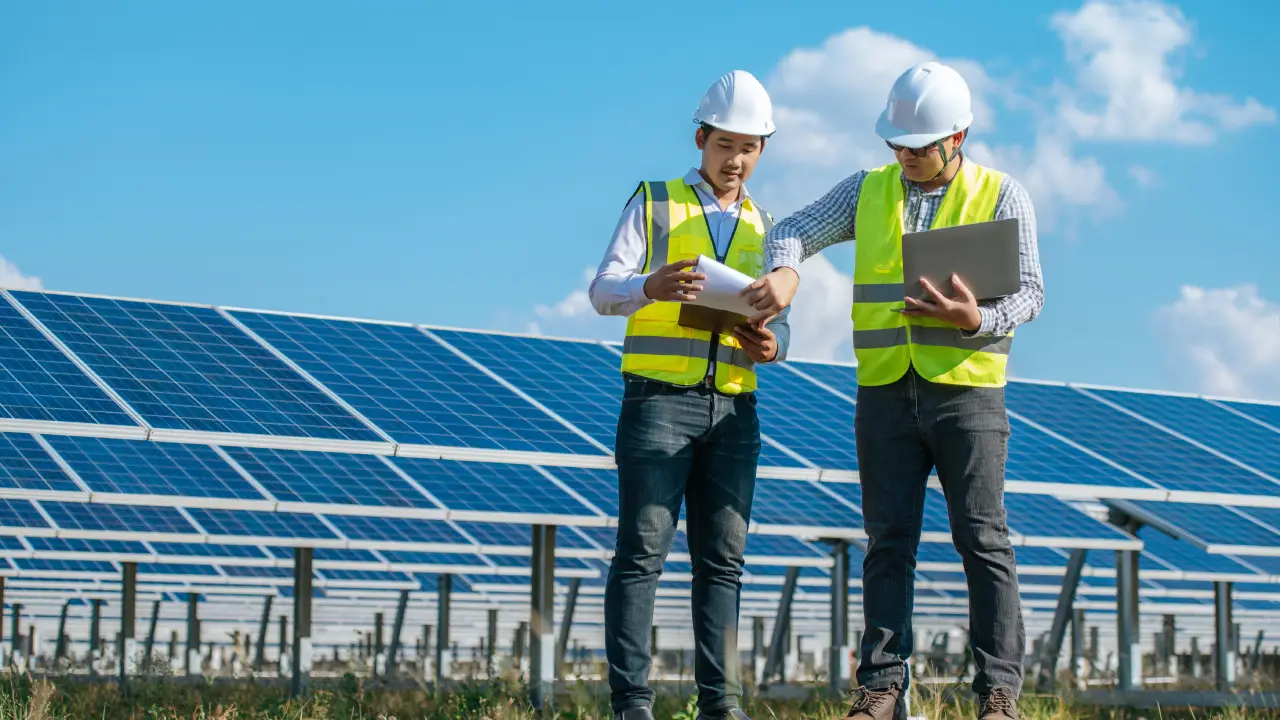
Solar Panel Inspection: What It Includes, Why It Matters & When to Schedule One
By Team Faseeh Lall
Solar panels are designed to operate outdoors for many years, but long service life does not mean a photovoltaic system should be ignored after installation.
Modules, inverters, wiring, connectors, mounting equipment, monitoring systems, and surrounding roof or ground conditions can all change over time. Storms, heat, moisture, animals, loose connections, debris, equipment aging, and physical damage may affect system safety or performance without immediately causing the entire system to stop working.
A solar panel inspection provides an opportunity to identify these issues before they develop into prolonged production losses, larger repairs, or potential safety concerns.
Professional solar inspection goes beyond simply looking for dirty panels. Depending on the system and reason for inspection, it may include visual assessment, electrical testing, inverter checks, performance analysis, mounting inspection, monitoring review, and, when appropriate, thermal imaging.
The U.S. Department of Energy recommends preventive operations and maintenance for long-term photovoltaic system safety and performance, including regular inspections and electrical testing.
What Is a Solar Panel Inspection?
A solar panel inspection is a structured assessment of a photovoltaic system to determine whether its components appear to be operating safely and performing as expected.
The exact scope depends on factors such as:
System size
Residential or commercial use
Rooftop or ground-mounted installation
Equipment age
Known performance problems
Recent severe weather
Maintenance history
Manufacturer requirements
A basic visual inspection may focus on easily observable module and site conditions.
A more comprehensive professional inspection may examine modules, wiring, connectors, mounting hardware, electrical equipment, inverter operation, monitoring data, grounding, and system performance.
NREL's photovoltaic O&M guidance includes routine inspections and testing of modules, electrical connections, grounding hardware, combiner boxes, and other components as part of structured PV maintenance.
Why Are Solar Panel Inspections Important?
Solar systems can continue producing electricity even when part of the installation has developed a problem.
That makes some issues difficult to detect without monitoring or inspection.
For example, a system may still appear operational while experiencing:
Reduced production
A failed module
Loose wiring
Connector heating
Inverter faults
Ground faults
Mounting deterioration
Monitoring failures
Partial shading
Module damage
DOE notes that regular O&M can help photovoltaic systems meet production targets while minimizing problems such as soiling, micro-cracking, internal corrosion, and other performance risks.
Inspection helps turn solar maintenance from a purely reactive process into a preventive one.
Instead of waiting for the entire system to stop working, owners can identify visible deterioration, performance changes, or electrical concerns earlier.
What Does a Professional Solar Panel Inspection Include?
There is no single inspection checklist appropriate for every PV system.
However, several areas are commonly reviewed.
1. Solar Module Condition
The modules are usually one of the first parts of the system examined.
Inspectors may look for:
Cracked glass
Chips
Discoloration
Delamination
Burn marks
Visible hot-spot damage
Corrosion
Damaged frames
Heavy soiling
Bird or animal damage
NREL has developed detailed visual-inspection methods specifically for evaluating fielded photovoltaic module conditions because visible changes can provide useful information about module health over time.
Not every visual imperfection means a module needs replacement.
The objective is to document abnormalities and determine whether further testing is justified.
2. Mounting and Racking Inspection
Solar panels depend on a mounting structure to remain securely attached to the roof, ground system, canopy, or other supporting structure.
An inspection may look for:
Loose hardware
Corrosion
Movement
Damaged clamps
Missing fasteners
Structural deterioration
Problems around roof penetrations
Signs of water intrusion
Mounting issues can become particularly important after severe storms or high winds.
DOE's pre-storm and post-event O&M guidance recommends checking fasteners, racking, support systems, enclosures, and other structural components as part of resilience planning.
3. Wiring and Connector Inspection
PV systems contain DC and AC electrical wiring that must remain properly secured and protected.
Inspectors may check for:
Loose cables
Damaged insulation
Exposed wiring
Poor wire management
Loose connectors
Animal damage
Moisture exposure
Overheated components
Corrosion
DOE specifically recommends maintaining proper wire management and removing debris or animal nests around electrical equipment.
Electrical problems should be evaluated by appropriately qualified personnel rather than treated as a DIY repair.
4. Inverter Inspection
The inverter is one of the most important components in a photovoltaic system.
It converts the direct current generated by solar modules into alternating current that can be used by the building or sent to the grid.
An inspection may review:
Inverter status
Error messages
Fault history
Operating temperature
Output
Communication status
Physical condition
Warning lights or codes
Recurring inverter tripping deserves particular attention.
DOE recommends conducting an electrical inspection after nuisance inverter tripping rather than repeatedly switching the system off and on without investigating the root cause.
5. System Performance Review
A solar system can look normal while producing less electricity than expected.
This is why inspection and performance monitoring should complement each other.
Useful performance information can include:
Current production
Historical production
Expected production
Inverter data
Meter readings
System availability
Recent fault history
DOE identifies performance ratio and system availability as two useful indicators for assessing PV system performance.
If actual production has declined significantly, the next step is determining why.
Possible causes can include equipment faults, weather, shading, soiling, communication failures, module degradation, or other system conditions.
6. Monitoring System Inspection
Monitoring platforms provide valuable information about system behavior.
But monitoring equipment can also fail.
A communication outage can make a healthy solar system appear offline—or hide an actual equipment problem.
An inspection may therefore confirm that:
Monitoring hardware is online
Data is being recorded
Production records appear reasonable
Alerts are functioning
Inverters are communicating correctly
Meter data is available
DOE notes that monitoring platforms can help system owners identify and address photovoltaic performance problems in real time.
For commercial portfolios, reliable monitoring becomes particularly important because asset managers may not physically visit each solar property regularly.
7. Grounding and Electrical Equipment
A more comprehensive professional inspection may include evaluation of grounding equipment, disconnects, combiner boxes, electrical enclosures, and other balance-of-system components.
NREL's O&M recommendations include annual checks of grounding hardware and combiner-box inspections in relevant systems.
These tasks require appropriate technical knowledge and should not be treated as casual visual maintenance.
8. Infrared or Thermal Inspection
Some problems cannot easily be identified with the naked eye.
Infrared imaging can help identify abnormal temperature patterns that may indicate issues such as:
Hot modules or cells
Failed bypass diodes
Connector heating
Failed strings
Electrical irregularities
Current solar O&M standards and guidance recognize infrared inspection as a useful diagnostic method under appropriate operating conditions.
Thermal imaging is particularly valuable for larger commercial arrays because it can help narrow down the location of potential problems before more detailed electrical testing begins.
How Often Should Solar Panels Be Inspected?
There is no universal inspection interval that fits every solar installation.
The right schedule depends on system size, equipment, environment, age, owner requirements, warranties, and operating history.
Some inspection and testing tasks may be performed annually, while others are condition-dependent or occur at longer intervals.
For example, NREL's O&M framework lists annual testing or inspection for certain electrical and grounding components while recommending longer intervals for some module electrical tests.
A professional inspection may also be appropriate outside a normal maintenance schedule when something unusual happens.
Signs You May Need a Solar Panel Inspection
Owners should consider an inspection when they notice significant or unexplained changes.
Common triggers include:
Unexpected Drop in Solar Production
If energy production falls materially without an obvious weather or seasonal explanation, the system should be investigated.
Frequent Inverter Errors
Recurring inverter faults or shutdowns can indicate an underlying electrical or equipment problem.
Visible Panel Damage
Cracks, broken glass, discoloration, burn marks, or damaged frames warrant closer evaluation.
Severe Weather
Hail, high winds, flooding, fire exposure, or major storms can damage solar components even when the system continues operating.
DOE recommends inspecting and electrically testing PV components after damaging events and notes that thermal or infrared imaging may help identify hidden damage.
Monitoring Stops Reporting
A monitoring outage should be investigated because it may indicate either a communications problem or an actual system failure.
Unusual Electrical Behavior
Repeated tripping, unexplained shutdowns, unusual inverter warnings, or other electrical abnormalities should be evaluated by qualified professionals.
Solar Panel Inspection After a Storm
Post-storm inspection deserves special attention.
A system may survive a weather event and continue producing electricity while still having sustained damage.
Potential problems can include:
Cracked modules
Loose mounting hardware
Water intrusion
Damaged wiring
Broken connectors
Debris impacts
Structural movement
The first priority after significant damage should be safety.
DOE recommends securing damaged PV sites, isolating electrical hazards where necessary, inspecting components, conducting electrical testing, and fully recommissioning systems after repairs before returning them to normal service.
Property owners should avoid climbing onto damaged roofs or touching potentially compromised electrical equipment themselves.
Solar Panel Inspection vs. Solar Panel Cleaning
Inspection and cleaning are related, but they are different services.
Solar panel cleaning primarily removes dirt, pollen, bird droppings, dust, and other contaminants from module surfaces.
Solar panel inspection evaluates the condition and operation of the system.
Cleaning may reveal visible damage that was previously hidden beneath dirt, but it does not replace a technical inspection.
Likewise, an inspection may determine that cleaning is necessary if soiling is contributing to poor performance.
For professionally managed systems, the two services can be coordinated as part of a broader operations and maintenance program.
Residential vs. Commercial Solar Inspections
The principles are similar, but commercial systems generally involve greater complexity.
Residential Solar Inspections
A residential inspection may focus on:
Rooftop panels
Inverter operation
Wiring
Mounting
Monitoring
Visible roof conditions
Production history
Homeowners may request an inspection after storms, unexplained production drops, property purchases, or several years of operation.
Commercial Solar Inspections
Commercial installations can involve:
Hundreds or thousands of modules
Multiple inverters
Complex electrical infrastructure
Large monitoring systems
Multiple roofs or properties
Contractual performance requirements
Financial reporting obligations
Because even a small percentage of underperformance can affect substantial total generation across a portfolio, commercial owners often benefit from more structured inspection and maintenance programs.
Can You Inspect Solar Panels Yourself?
Owners can perform basic observations from a safe location.
For example, you may be able to check:
Whether panels appear visibly damaged
Whether debris has accumulated
Whether the inverter displays an error
Whether monitoring data is updating
Whether production has changed unexpectedly
However, rooftop access, electrical testing, opening equipment, checking connectors, or diagnosing inverter faults should be left to qualified professionals.
Solar arrays involve electricity and working at height risks.
A professional inspection is especially appropriate when electrical abnormalities, physical damage, storm damage, or substantial underperformance is suspected.
What Should You Receive After a Professional Inspection?
A useful solar inspection should produce more than a verbal statement that the system looks fine.
Depending on the scope of service, documentation may include:
Inspection date
Components reviewed
Photographs
Identified defects
Monitoring observations
Electrical-test results
Inverter findings
Recommended corrective actions
Priority level of repairs
Follow-up requirements
For commercial systems, inspection records should become part of the permanent asset-management history.
That makes it easier to track recurring problems, manage warranties, compare maintenance costs, and document system condition over time.
How Solar Inspections Support Long-Term Asset Management
Inspection should not exist as an isolated task.
It is most useful when connected with:
Monitoring → inspection → diagnosis → corrective action → verification → ongoing performance tracking
This creates a feedback loop.
Monitoring identifies abnormal behavior.
Inspection helps determine the cause.
Corrective work addresses the issue.
Post-repair performance monitoring confirms whether normal operation has returned.
For commercial solar owners, this process can also support warranty management, maintenance budgeting, SREC production oversight, contractor accountability, and long-term asset planning.
Final Thoughts
A solar installation can continue producing electricity while hidden problems gradually affect its performance.
That is why a solar panel inspection should be viewed as part of responsible photovoltaic system management rather than something reserved only for complete system failures.
A professional inspection can evaluate modules, inverters, wiring, mounting equipment, monitoring systems, electrical components, and overall performance.
The appropriate inspection schedule will depend on the size, condition, environment, and operational history of the system.
More importantly, owners should not wait for a calendar date when clear warning signs appear.
Unexpected production losses, recurring inverter faults, monitoring failures, visible damage, and severe weather events are all reasons to investigate the system sooner.
When inspections are combined with performance monitoring and preventive maintenance, property owners gain a clearer understanding of how their solar assets are operating and what actions are needed to protect performance over the long term.