
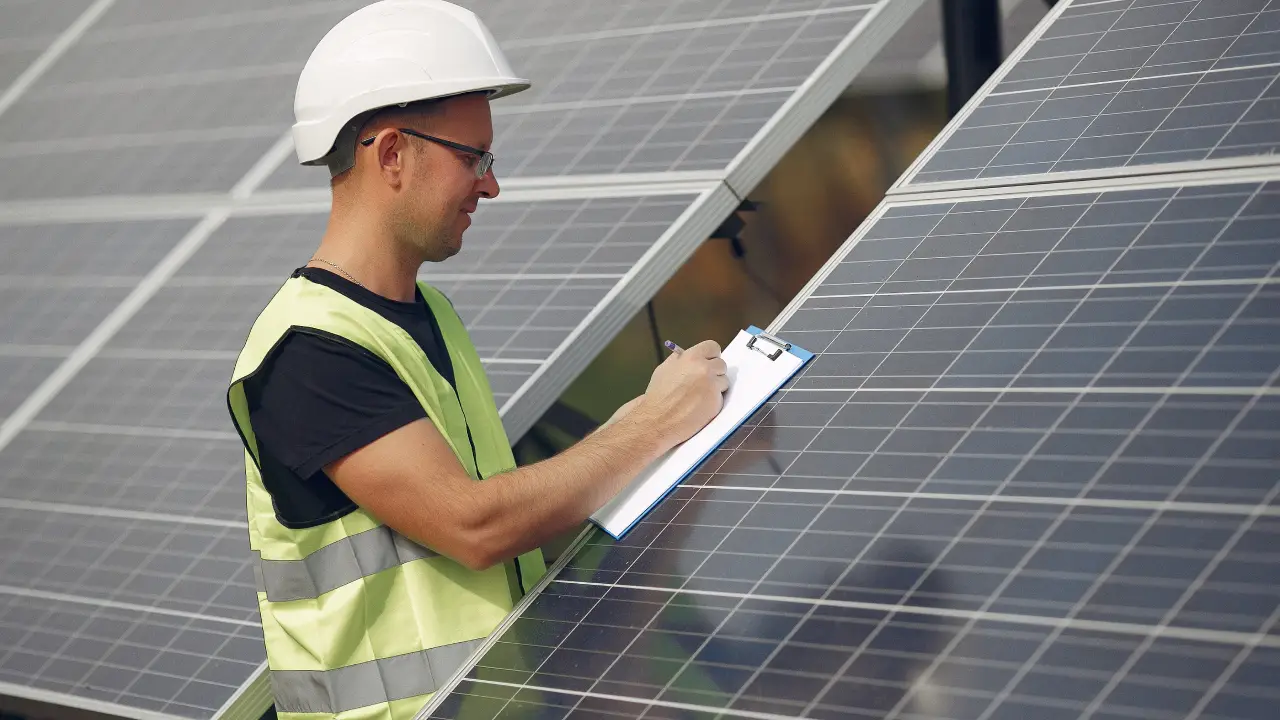
Solar Panel Inspection After Cleaning: Why It Matters
By Team Faseeh Lall
Solar panel cleaning is one of the most common ways to keep a solar energy system working efficiently. Removing dust, pollen, bird droppings, leaves, and pollution buildup helps sunlight reach the panel surface more effectively. But cleaning alone is not the full picture. After your panels are cleaned, a proper solar panel inspection is just as important.
Many homeowners and property owners assume that once the panels look clean, the system is automatically performing well. That is not always true. Clean panels can still have hidden issues such as loose wiring, cracked glass, damaged seals, inverter warnings, weak mounting points, drainage problems, shading changes, or performance drops that are not visible from the ground.
A post-cleaning inspection helps confirm that your solar panels are not only clean but also safe, secure, and producing energy as expected. It gives you a clear view of your system’s condition and helps identify small problems before they become expensive repairs.
In this guide, we will explain why solar panel inspection after cleaning matters, what should be checked, how it protects your solar investment, and when you should call a professional.
Why Cleaning Alone Is Not Enough
Solar panel cleaning removes surface-level dirt. That is important because dirt and debris can reduce sunlight absorption. However, cleaning does not automatically confirm that your full solar system is healthy.
A solar energy system is made of several connected parts. The panels are only one part of the system. The complete setup includes solar modules, wiring, connectors, mounting rails, clamps, roof attachments, inverter, monitoring system, and electrical safety components. If any of these parts are damaged or underperforming, your solar system may not produce energy at its full potential.
For example, your panels may look spotless after cleaning, but one loose connector could still reduce output. A small crack in the glass may not be visible from far away but can worsen over time. A mounting clamp may become loose after strong winds. Tree branches may have grown and started creating shade on one side of the system. An inverter may be showing an error that you have not noticed.
This is why solar panel inspection after cleaning is important. Cleaning improves visibility, and inspection helps identify issues that were hidden under dirt or difficult to see before.
What Is a Solar Panel Inspection?
A solar panel inspection is a detailed check of your solar system’s visible and functional condition. The goal is to make sure the panels, electrical components, mounting system, and performance data are all in good shape.
A basic inspection may include a visual check of the panels and surrounding roof area. A more complete professional inspection may include reviewing energy production data, checking inverter performance, inspecting wiring, testing electrical connections, checking mounting hardware, identifying shading issues, and looking for signs of damage.
The inspection does not always mean something is wrong. It is a preventive step. Just like a car service helps prevent breakdowns, solar inspection helps protect your solar system from avoidable performance loss and repair costs.
Why Inspection Should Be Done After Cleaning
Post-cleaning inspection is especially useful because the panels are easier to evaluate when the surface is clear. Dirt, bird droppings, pollen, and water stains can hide small cracks, scratches, discoloration, burn marks, and frame damage.
Once the panels are clean, a technician or trained cleaner can more clearly check the glass surface, edges, corners, seals, and mounting points. This makes the inspection more accurate.
Cleaning may also reveal issues such as:
Small cracks in the glass
Scratches caused by previous improper cleaning
Stains that did not wash off
Discoloration on panel cells
Loose panel frames
Signs of water intrusion
Damaged seals
Corrosion near mounting hardware
Bird nesting debris under panels
Cable damage or exposed wiring
These issues may not be obvious before cleaning. That is why cleaning and inspection work best together.
1. It Helps Confirm Energy Performance
One of the biggest reasons to inspect solar panels after cleaning is to confirm whether cleaning improved energy output. If dirty panels were the main problem, you may notice better production after cleaning. But if energy output remains low, there may be another issue.
A solar panel inspection helps connect the visual condition of the panels with actual system performance. This is important because a clean panel does not always mean an efficient panel.
For example, if your system was underperforming before cleaning and still underperforms afterward, possible causes may include:
Inverter faults
Panel degradation
Loose wiring
Microcracks
Shading
Damaged connectors
Monitoring system errors
Electrical imbalance
Roof or mounting issues
Without inspection, you may assume the system is fine because it looks clean. But performance data may tell a different story.
A proper inspection can help identify whether your panels are producing as expected for the season, weather, and system size.
2. It Helps Detect Panel Damage Early
Solar panels are built to handle outdoor conditions, but they are not impossible to damage. Hail, falling branches, roof work, animals, poor installation, thermal stress, and improper cleaning methods can all cause damage.
Some damage is easy to see, such as broken glass. Other damage is more subtle. Small cracks, edge damage, or early signs of discoloration may not be obvious unless the panels are clean and closely inspected.
Early detection matters because small damage can get worse. A minor crack can allow moisture to enter over time. Damaged cells can create hot spots. Loose frames can become weaker during storms. Ignored issues can reduce energy production and shorten the life of the panel.
A post-cleaning inspection gives you the chance to find these problems while they are still manageable.
3. It Protects Your Solar Investment
Solar panels are a long-term investment. Most systems are expected to operate for many years, but long-term performance depends on proper care. Cleaning helps maintain energy production, while inspection helps protect the system from hidden risks.
If a system goes years without inspection, problems can build quietly. You may not notice the loss immediately because solar production changes naturally with seasons and weather. But over time, even small performance losses can affect savings.
Regular inspection helps protect your investment by:
Reducing the risk of avoidable repairs
Catching performance issues early
Supporting warranty claims with records
Extending system life
Protecting roof and mounting conditions
Improving safety
Helping maintain energy production
For homeowners who rely on solar savings, this matters. A system that is clean, inspected, and properly maintained is more likely to deliver consistent long-term value.
4. It Helps Identify Mounting and Roof Issues
Solar panels are attached to your roof using mounting hardware. This hardware keeps the panels secure during wind, rain, heat, and seasonal weather changes. Over time, mounting components can loosen, shift, corrode, or collect debris.
After cleaning, it is a good idea to inspect the mounting system and nearby roof area. This includes checking whether panels are properly aligned, clamps are secure, rails appear stable, and there are no visible signs of roof damage.
Roof-related issues may include:
Loose flashing
Water pooling
Damaged shingles or tiles
Blocked drainage
Debris buildup around mounts
Signs of leaks
Corrosion around attachment points
These issues should not be ignored. Solar panels sit on top of your roof, so roof health and solar system health are connected. A clean panel surface means little if the mounting system or roof area is becoming unsafe.
5. It Helps Check Wiring and Electrical Safety
Solar systems involve electrical components. Wires, connectors, junction boxes, and inverter connections all need to remain secure and protected. Damaged wiring can reduce performance and may create safety risks.
During a solar panel inspection, professionals can look for visible signs of wiring issues, such as loose cables, cracked insulation, exposed wires, animal damage, or disconnected components. Birds, squirrels, and other pests can sometimes damage wires around or under panels.
Homeowners should not try to repair solar wiring themselves. Solar electrical work should always be handled by qualified professionals. But identifying visible problems early can help prevent system downtime or safety concerns.
6. It Helps Find Bird and Pest Problems
Birds often sit near solar panels, especially if the roof provides shade or shelter. In some cases, birds may nest under the panels. This can lead to droppings on the panel surface, debris buildup, blocked airflow, and possible wire damage.
Cleaning removes bird droppings from the panel surface, but inspection helps determine whether the issue is likely to return. If bird activity is heavy, you may need bird-proofing, critter guards, or other preventive measures.
Signs of bird or pest problems include:
Nesting material under panels
Droppings around the roof
Scratching or movement sounds
Chewed wires
Leaves and debris trapped beneath panels
Repeated dirt buildup in the same areas
If you clean panels but ignore the source of the problem, the panels may become dirty again quickly. Inspection helps solve the root issue, not just the surface issue.
7. It Helps Review Shading Changes
Shading is one of the most common causes of solar performance loss. Trees grow, nearby buildings change, antennas are installed, and roof objects can cast shadows at different times of the day.
A post-cleaning inspection should include checking whether any new shading is affecting your panels. Even partial shade can reduce output, especially if it falls during peak sunlight hours.
Common shading sources include:
Tree branches
Chimneys
Satellite dishes
Nearby buildings
Roof vents
Utility poles
Seasonal sun angle changes
If shading is found, the solution may be trimming branches, adjusting nearby objects, or reviewing system design. In some cases, monitoring data can help show which panels are affected.
8. It Helps Support Warranty and Maintenance Records
Keeping records is an underrated part of solar maintenance. If you ever need warranty support, system repairs, or home resale documentation, maintenance records can be valuable.
After cleaning and inspection, you should keep a simple record of:
Cleaning date
Inspection date
Who performed the service
Photos before and after cleaning
Notes about panel condition
Any visible damage
Inverter or monitoring readings
Recommended repairs
Maintenance records show that the system has been cared for properly. They also make it easier to track recurring problems. For example, if the same panel repeatedly shows dirt buildup or performance issues, records can help identify a pattern.
9. It Helps Avoid Repeated Cleaning Without Solving the Real Problem
Sometimes homeowners keep cleaning their panels because they notice low production, but cleaning is not always the real solution. If the panels are already clean and output is still low, the problem may be technical.
Repeated cleaning without inspection wastes time and may delay proper repairs. A solar panel inspection helps separate cleaning issues from performance issues.
For example:
Dirty panels need cleaning.
Shaded panels need shade management.
Damaged panels need repair or replacement.
Inverter faults need technical service.
Loose wiring needs professional electrical work.
Bird problems need prevention.
Inspection gives clarity. Instead of guessing, you can make the right decision based on the system’s actual condition.
What Should Be Included in a Post-Cleaning Solar Panel Inspection?
A good post-cleaning inspection should cover both visible condition and performance indicators. The exact checklist may vary depending on the system, but it should generally include:
Panel glass condition
Panel frames and edges
Signs of cracks, chips, or discoloration
Remaining stains or hard deposits
Mounting rails and clamps
Roof area around panels
Visible wiring and cable management
Signs of pests or bird nesting
Shading from nearby objects
Inverter status
Monitoring app performance
Energy output comparison
Safety concerns
Professional technicians may also perform more advanced testing if they suspect a deeper issue.
Can Homeowners Inspect Solar Panels Themselves?
Homeowners can perform basic checks, but only from a safe location. You can review your monitoring app, check inverter alerts, look at panels from the ground, and compare energy production. You can also note visible dirt, shade, or damage.
However, homeowners should avoid climbing onto the roof without proper training and safety equipment. Roof work is dangerous, especially when surfaces are wet after cleaning. Electrical checks should also be left to qualified professionals.
A simple homeowner inspection can include:
Checking solar app production
Looking for visible dirt or damage from the ground
Noting any new shading
Checking for inverter warning lights
Comparing output before and after cleaning
Calling a professional if something looks unusual
When Should You Schedule a Professional Inspection?
You should schedule a professional inspection after cleaning if:
Your system still produces less energy than expected.
You see cracks, stains, or discoloration.
Your roof is high, steep, or difficult to access.
Bird droppings keep coming back.
You notice inverter warnings.
A storm recently affected your area.
Panels have not been inspected in over a year.
You are preparing for warranty, resale, or system upgrade decisions.
Professional inspection is especially important for older systems or systems that have shown performance drops.
Final Thoughts
Solar panel cleaning is important, but it is only the first step. A clean panel surface helps improve sunlight absorption, but a solar panel inspection confirms whether the system is actually healthy, safe, and performing as expected.
Inspection after cleaning helps identify hidden damage, wiring concerns, mounting issues, shading changes, pest activity, and performance problems. It also protects your long-term solar investment by helping you solve small issues before they become costly.
If your solar panels have just been cleaned, do not stop at appearance. Check the performance data, look for visible issues, review inverter status, and schedule a professional inspection when needed. A clean and inspected solar system is far more valuable than one that simply looks good from the outside.