
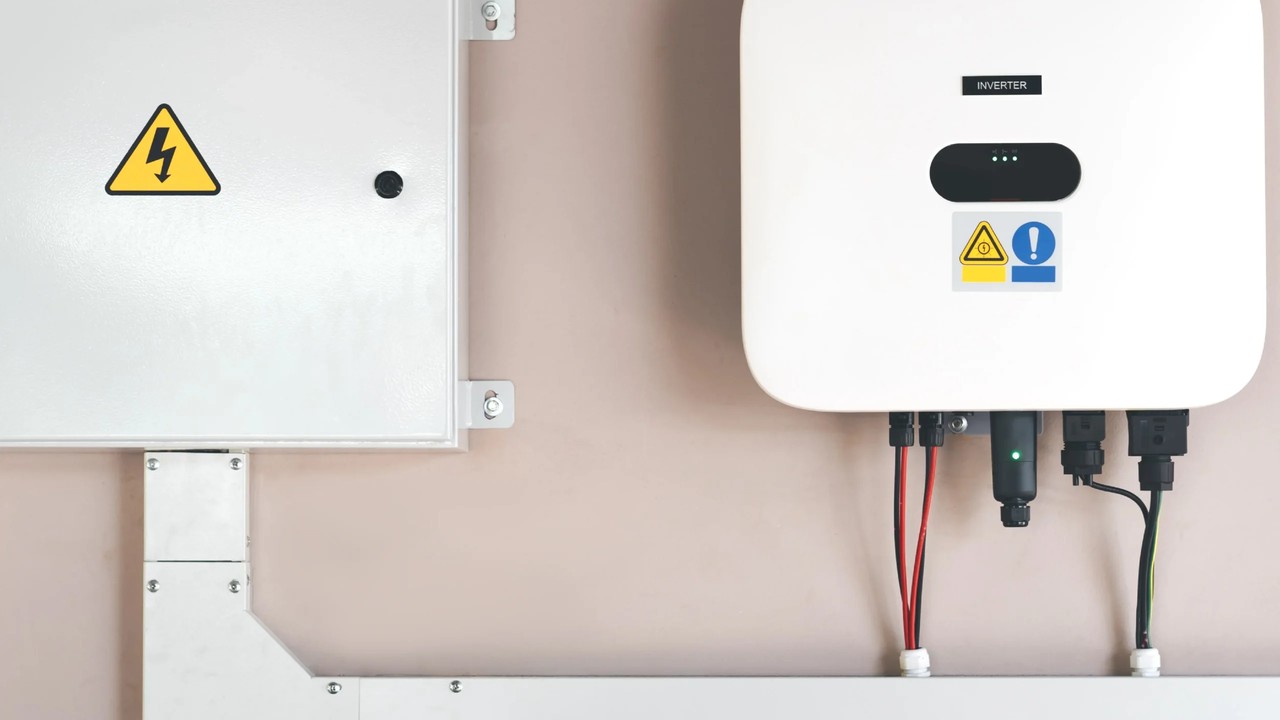
Solar Inverter Inspection: What It Checks
By Team Faseeh Lall
Solar panels get most of the attention on a roof, but the inverter does the work that makes their electricity usable. It converts the direct current the panels produce into the alternating current a home or building can use, and it is the component most likely to stop a system producing altogether. A solar inverter inspection Washington DC owners arrange is a focused check of that one component: its condition, its records, and whether it is doing its job.
This guide explains what it covers, what a good report should contain, and when to arrange one in Washington, DC.
What an inverter inspection actually is
An inverter inspection is a structured check of the inverter and the equipment directly connected to it. The inspector reviews how the unit has behaved, checks its present condition on site, and compares what it is producing with what the system should be producing in the same conditions. The result is a record of what was found, what is still unconfirmed, and what should happen next.
It is not the same as the other inspection posts SAMS has published. The 20 October post on solar inverter problems explains causes, warning signs and solutions. This post is about the inspection process itself: what is checked, in what order, and what the owner receives at the end. The 30 October electrical inspection post covers wiring, connections, disconnects, grounding and protection devices across the whole system. An inverter inspection overlaps with that work at the inverter itself, but it goes deeper into the unit: its fault history, its output, and its own condition.
It is also different from monitoring, which watches production data every day and raises an alert when something changes. An inspection is a point in time check on site. Monitoring says something has changed. Inspection confirms what is physically wrong, or rules it out.
What independent or third-party inspection means
Some owners ask for an independent or third-party inverter inspection, carried out by someone other than the company that installed the system. The inspector has no stake in the original installation, so the findings are a second view of the same equipment. It is most useful before a warranty claim, before a sale, or when an owner and an installer disagree about whether a problem exists.
What the inspector checks
A thorough inverter inspection covers six areas. Not every system needs the same depth in each one, but a check that looks only at the display will miss problems that only the records or the connections can show.
Status, display and fault history
The first check is the simplest: what is the inverter showing now, and what has it recorded? The inspector notes the operating status, any warning or fault shown on the display, and the fault history the unit has stored. A single fault after a grid disturbance may be normal operation, the equipment doing what it is designed to do. The same fault code recurring, or an inverter repeatedly tripping and restarting, usually points to an underlying condition that needs investigation rather than a one-off event to be dismissed.
Fault history also dates the problem. A fault that began weeks ago and has repeated since then is a different finding from a fault that appeared yesterday, and the history gives the next person on site a starting point.
DC input and string behaviour
The inverter receives direct current from the panels, usually in strings, which are groups of panels wired together. The inspector checks what each string is delivering to the inverter. If one string produces nothing while the others produce normally, the problem is local to that string or to the inverter input it feeds. If all strings are low together, the cause is more likely general, such as weather, shading across the array, or a system-wide issue.
This check is what separates an inverter fault from a panel or wiring fault. A string at zero does not by itself prove the inverter is at fault. It proves the fault sits somewhere between that string and the inverter output.
AC output and production against expectation
The inspector then checks what the inverter is putting out as alternating current, and compares production with what the system has produced before under similar conditions. A single day's figure says little on its own, because output changes with weather, season, shading and time of day. The comparison that matters is against the system's own history: is this inverter producing what it produced in similar conditions last month, or last year at the same time?
This comparison also protects the owner's records. For DC systems that earn Solar Renewable Energy Certificates, known as SRECs, generation is what certificates depend on. An inverter that has been underperforming quietly for weeks has lost generation that cannot be recreated afterwards, so dating the change matters.
Connections at the inverter
Connections are checked where they meet the inverter: the DC inputs, the AC output, and the associated disconnects. The inspector looks for signs that a connection is loose, heated, corroded or damaged, and checks that disconnects operate as they should. A loose connection can cause intermittent faults that are hard to catch in data alone, because the system works on the day of the visit and fails on another day.
A fault at the inverter terminals may belong to the wiring rather than to the unit. A careful report says which it is, or says clearly that it cannot be confirmed without further work. The inspector also checks the unit itself: whether ventilation is clear, whether the enclosure shows damage, corrosion or signs of water, and whether the mounting is sound. Heat is a useful clue too: an inverter that runs hot, trips on hot afternoons, or restarts often is telling the owner something, even when it is still producing on cooler days.
Communication and monitoring link
Most modern inverters report their production and status to a monitoring system, and that link is part of the inspection. The inspector checks whether the inverter is communicating, whether its data is arriving completely, and whether the monitoring record matches what the unit itself reports. A gap in the data does not automatically mean the panels have stopped working. It often means the monitoring connection has failed. But while the data is missing, no remote check is possible, so the gap is treated as a finding in its own right, and if production is not recorded, it may not be counted for SREC purposes until the gap is resolved.
Safety devices and shutdown
Finally, the inspector checks the safety side of the unit: that protection devices are present and have not operated without a recorded reason, and that the inverter can be shut down safely and restarted correctly. A protection device that has operated is information, not a reset button. If it trips again after being reset, the underlying fault still needs investigation.
Any sign of heat, burning or damage near electrical equipment is not a routine inspection finding to be watched. It needs prompt on-site assessment by qualified personnel, and the system should not simply be left running while the data is reviewed.
What an inverter inspection looks like in practice
The following example is illustrative. It shows the pattern an inspection is built to catch, not the result of any one system.
A homeowner in Washington, DC notices that the monthly monitoring report shows lower production than the same month last year, even though the weather has been similar. Nothing looks wrong from the ground, and the panels are clean. An inverter inspection is arranged.
On site, the inspector finds that the inverter has restarted several times in recent weeks and has stored the same fault code each time. The DC inputs show that one string is delivering less than the others, while the AC output is below what the system produced in similar conditions last year. The connections at the inverter are sound, ventilation is clear, and the monitoring link is working, so the data can be trusted. That combination narrows the fault to one string and the inverter input it feeds, rather than to the weather, the whole roof, or the monitoring system. The report recommends a focused check of that string and its wiring, with maintenance coordinated through qualified personnel.
What a good inspection report should contain
An owner should be able to read an inspection report and answer five questions without guessing.
What was checked? Each of the areas above, with the ones that apply to the system named, and the period the fault history covers.
What was found? Each finding named specifically: which string or input, when the change began, whether it was sudden, gradual or recurring, and what the production comparison showed.
What is the likely cause, and what is still unconfirmed? The report should separate what the checks prove from what only further work can confirm.
What happens next? Every genuine finding should end in one of three places: a further check arranged, a repair coordinated, or a recorded reason why no action is needed yet, with a note to re-check. Findings left unactioned are just a longer list of problems.
Was the fix verified? After any repair, production data should confirm that the inverter is back to its expected pattern. A repair that is not verified against the data afterwards is an assumption, not a resolution.
When to schedule an inverter inspection
There is no single interval that fits every system, because inverters differ in age, type and history. An inverter inspection is most useful when a decision depends on knowing the unit's real condition.
When output looks wrong. A bill that is higher than expected, a monitoring alert, or production that no longer matches past performance are all reasons to check rather than wait.
After a recurring fault. One fault after a grid disturbance may be normal. The same fault code repeating, or an inverter that trips and restarts often, is a reason to inspect the unit rather than reset it and hope.
After a data gap. A period when monitoring stopped leaves a question that only a review of the unit and its records can answer: was the system producing while the data was missing, and can the record be repaired?
Before a warranty claim or a sale. A claim or a transaction needs a current record of the inverter's condition, giving both sides the same evidence to work from. SAMS does not issue warranties, and an inspection does not replace one, but a clear record makes warranty coordination easier.
After severe weather or work on the roof. Physical damage and disturbed wiring may not show up in production data immediately, and a check of the inverter and its connections is the only way to confirm the unit is intact.
What an inverter inspection cannot do
An inspection is useful, but it has limits, and owners should know them before they arrange one.
An inspection does not repair anything. It finds problems. Repair is a separate step, arranged through inspection and maintenance coordination. SAMS coordinates maintenance through qualified personnel. It does not have its own repair crews, and an inspection does not change that.
An inspection does not replace monitoring. It is a check at one point in time. A fault that develops the week after the visit will not be found until the next check, or until monitoring flags it. The two work together: monitoring watches continuously, inspection confirms what the data points at.
An inspection does not inspect the whole system. It focuses on the inverter and what connects directly to it. Panels, mounting, roof penetrations and the wider wiring need their own checks, which the general and electrical inspection posts cover. An inverter that passes its inspection can still sit in a system with a panel or roof problem elsewhere.
An inspection also does not guarantee future production. A unit can pass every check and still develop a fault later. What it guarantees is a dated, specific record of the unit's condition at the time it was checked.
Residential and commercial inverters
The checks are the same, but the questions differ. A homeowner usually has one inverter and one roof, so the value is in the fault history, the production comparison, and knowing whether the single unit the whole system depends on is healthy. A commercial owner may have several inverters across roof sections or buildings, so the inspection should report each inverter separately, and the production records should feed into SREC planning and revenue tracking.
How to choose an inverter inspection service in Washington, DC
Choosing an inspection service is mostly a matter of asking the right questions before the visit.
What exactly is checked: the display only, or fault history, string inputs, AC output, connections, ventilation, communication and safety devices as well?
Is the inspector independent of the installer, if that matters for the owner's purpose, such as a warranty claim or a sale?
What does the report look like: can the service show a sample report, and does it name findings specifically, with dates and next steps?
Who acts when an issue is found: does the service arrange a further check and maintenance coordination, or does it only send a report and leave the owner to arrange everything?
Does the service understand DC SREC income: can it explain how inverter downtime affects recorded generation, and what happens to the record when data goes missing?
Is the service built for DC systems: does it work with the inverter types and system sizes common in Washington, DC homes and commercial buildings?
A service that answers these questions clearly is a service that has done this work before. A service that cannot answer them is selling a visit, not an inspection.
How SAMS fits in
SAMS provides inspections and proactive monitoring as part of solar asset management for DC solar owners. An inverter inspection fits inside that routine: the unit is checked, its fault history and production are compared with the system's own record, and when a problem needs hands on site, maintenance is coordinated through qualified personnel. When production affects SREC income, the same record supports brokerage and revenue optimisation.
Owners who already have monitoring should ask whether the inverter at the centre of their system has been checked on site, not only watched in data. Owners who have only an inverter app should ask what they are missing on the days they do not open it. In both cases, the test is simple: if the inverter stopped tomorrow, how soon would anyone know, and what would happen next? That is the question a solar inverter inspection Washington DC answers, with evidence, before the answer becomes a bill.