
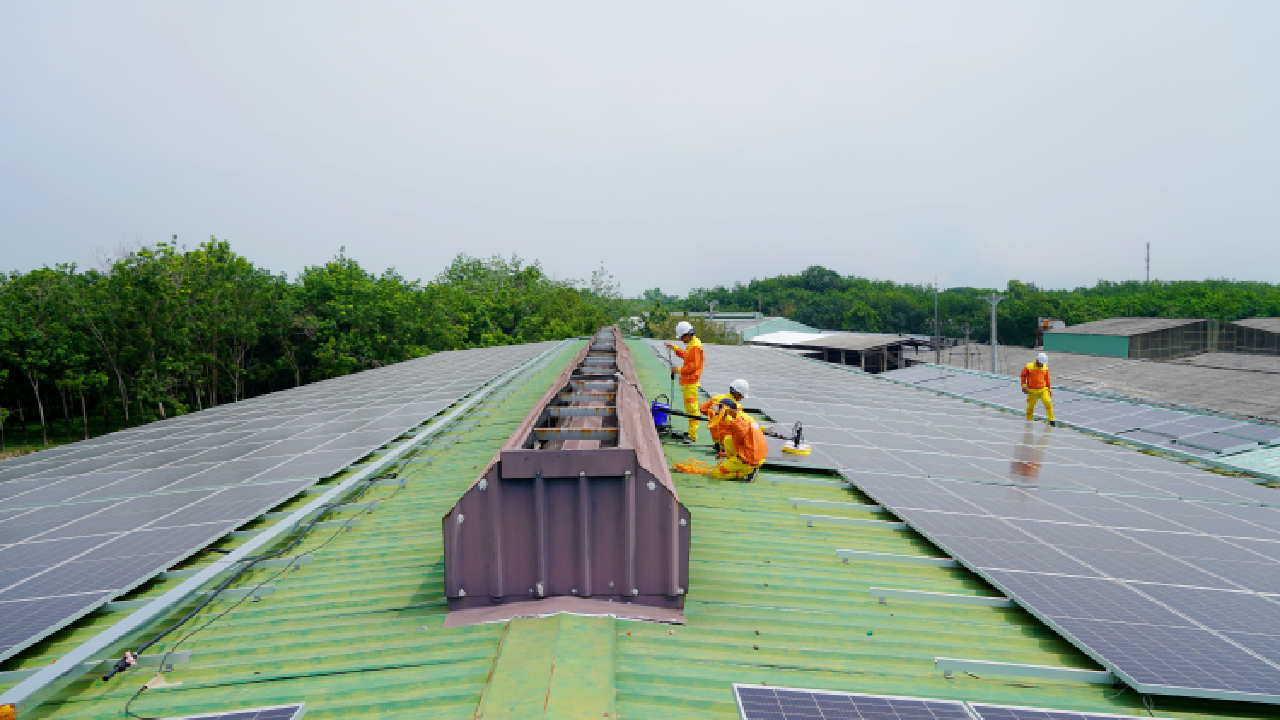
Do Solar Panels Cause Roof Leaks? 7 Causes & What to Do Next
By Team Faseeh Lall
Finding water stains on a ceiling after installing solar panels can immediately raise a worrying question:
Did the solar panels cause the roof leak?
The answer is: sometimes but not always.
Properly installed rooftop solar panels should not automatically cause a roof to leak. The bigger risk usually comes from problems involving roof penetrations, flashing, mounting hardware, aging roofing materials, storm damage, or poor installation practices.
The U.S. Department of Energy notes that roof penetrations are among the more vulnerable areas for water intrusion and that proper flashing and sealing are essential for keeping water out.
Solar mounting systems can introduce penetrations into certain roof types, which means the installation has to preserve the roof's ability to shed water.
If you notice signs of moisture after solar installation, the goal should not be to immediately blame the panels.
The better approach is to identify where the water is entering, whether the solar mounting system contributed to it, and what type of professional should handle the repair.
Here are seven common causes worth investigating.
Do Solar Panels Normally Cause Roof Leaks?
No. Solar panels themselves do not normally cause roof leaks when the installation is properly designed and installed on a suitable roof.
Many rooftop photovoltaic systems use mounting hardware that attaches the solar racking securely to the roof structure.
On common asphalt-shingle roofs, this can involve roof penetrations that are protected using flashing and appropriate sealing methods.
DOE guidance for solar-ready buildings recommends using flashing or flashed standoffs and appropriate sealing for roof penetrations to reduce the risk of leakage.
Energy Sage similarly notes that properly installed mounting penetrations are typically protected with flashing to keep water from entering the roof.
Problems become more likely when these details are installed incorrectly, deteriorate over time, or interact with an already compromised roof.
1. Improperly Sealed Roof Penetrations
One of the first areas to investigate is the point where mounting hardware penetrates the roofing system.
Depending on the roof and mounting design, installers may use:
Lag bolts
Mounting feet
Standoffs
Anchors
Other structural attachments
These components must be secured properly while preserving the roof's water-management system.
If a penetration is poorly sealed, water may eventually find a path into the roofing assembly.
Possible problems include:
Missing sealant
Incorrect sealant
Poorly placed fasteners
Damaged roofing material
Improper penetration location
Deteriorated waterproofing
The roof is designed to direct water downward and away from the building.
Any penetration interrupts that continuous water-shedding surface, which is why proper weatherproofing matters.
What to do
Do not try to remove panels or reseal mounting points yourself.
If water appears near a solar installation, a qualified solar professional and roofer may need to work together to identify the actual entry point.
2. Incorrect or Damaged Flashing
Flashing is one of the most important defenses against water intrusion around roof penetrations.
It helps redirect water around attachment points rather than allowing it to enter the roof assembly.
DOE building-science guidance emphasizes that penetrations are vulnerable areas and that flashing and waterproof membranes should be integrated with the roof's water-management layers.
Solar mounting flashing can fail when it is:
Installed incorrectly
Positioned improperly
Damaged during installation
Not integrated correctly with shingles
Corroded
Displaced
Incompatible with the roof type
A leak around a solar mount does not necessarily mean the solar panel itself has a problem.
The issue may be the weatherproofing detail beneath the array.
Why this can be difficult to diagnose
Solar panels can cover the mounting points, making visual inspection harder without removing or lifting parts of the array.
That is another reason roof-leak diagnosis around solar should be handled by professionals familiar with both roofing and photovoltaic systems.
3. The Roof Was Already Near the End of Its Life
Sometimes solar gets blamed for a leak that began because the roof itself was aging.
Roofing materials deteriorate over time.
Possible issues can include:
Cracked shingles
Missing shingles
Deteriorated underlayment
Old flashing
Existing moisture damage
Previous repairs
Weak roof decking
Installing solar over a roof that already needs replacement can create a complicated situation later.
The solar array may need to be temporarily removed when reroofing becomes necessary.
This is why roof condition should ideally be evaluated before solar installation.
Energy Sage recommends considering the expected remaining life of the roof because the solar system may remain in place for decades.
Important distinction
If the leak originates from deteriorated roofing material away from the solar attachments, the solar system may not be the actual cause.
A professional inspection should determine whether the problem comes from:
The roof itself
or
The solar installation
or potentially both.
4. Mounting Hardware Is Damaging the Roof Surface
Not all roof problems involve a visible hole around a mounting bolt.
Movement can also matter.
DOE's PV weather-vulnerability guidance warns that modules, racking, or conduit supports in direct contact with roof membranes can cause abrasion over time as the system moves from wind and thermal activity. If the membrane becomes compromised, moisture can penetrate the roof.
This can be particularly relevant for certain commercial or low-slope roofs.
Possible warning signs include:
Racking contacting the roof membrane
Abrasion
Torn roofing material
Displaced protective pads
Movement after high winds
Damaged conduit supports
The damage may initially appear minor but become more serious once water reaches the compromised roofing layer.
Why inspection matters
Some roof damage remains hidden beneath the array.
If water appears inside the building, the visible interior stain may also be some distance from the actual entry point because water can travel horizontally through the roof assembly before becoming visible. DOE specifically notes this possibility.
5. Severe Weather Has Shifted or Damaged the System
Solar panels and mounting systems are designed for outdoor conditions, but severe weather can still affect both the PV system and the roof.
Potential events include:
High winds
Heavy rain
Hail
Falling branches
Snow or ice loading
Major storms
Weather may damage:
Panels
Flashing
Mounting hardware
Roofing materials
Conduit
Roof membranes
Nearby shingles
Your roof may begin leaking after a storm even if the solar system was installed correctly years earlier.
This does not automatically mean the original installation was defective.
Instead, the weather event may have damaged the roofing or mounting system.
What to check from a safe location
Look for:
Missing shingles
Shifted panels
Loose-looking equipment
Debris impacts
Visible roof damage
New ceiling stains
Water appearing after heavy rain
Do not climb onto a wet or storm-damaged roof to investigate.
Solar equipment may also present electrical hazards when damaged.
6. Water Is Being Redirected or Trapped Around the Array
Roof-mounted solar changes how parts of the roof are exposed to rain, debris, snow, and runoff.
A poorly designed or obstructed installation can sometimes contribute to drainage issues.
Potential problems may include:
Leaves accumulating beneath panels
Debris blocking drainage paths
Water collecting around equipment
Poorly positioned conduit
Blocked gutters
Improper roof drainage
Snow accumulation in unusual areas
Water-managed roofs depend on directing moisture away from vulnerable areas.
DOE building-science guidance emphasizes that roofs, valleys, intersections, and penetrations need to be designed so water can drain effectively rather than enter the structure.
Keep perspective
Water pooling or debris around an array does not automatically mean a leak will occur.
But if the roof already has vulnerable areas, drainage problems can increase the likelihood of water intrusion.
7. Previous Repairs or Solar Removal and Reinstallation Were Done Poorly
A roof leak may develop long after the original solar installation if the system has been disturbed.
For example, panels may have been temporarily removed for:
Roof replacement
Roof repair
Storm restoration
Electrical upgrades
Solar maintenance
Equipment replacement
When the array is reinstalled, the mounting and waterproofing details need to be restored correctly.
Problems can occur if:
Old penetrations are not sealed correctly
Flashing is reused improperly
Mounting hardware changes location
Roofing materials are damaged
Old holes remain exposed
New attachments are installed incorrectly
If the leak began after solar panels were removed and reinstalled, that timing should be shared with both the roofing and solar contractors.
Signs You May Have a Roof Leak Under Solar Panels
Not every roof leak is immediately obvious.
Watch for signs such as:
Brown or yellow ceiling stains
Damp drywall
Peeling paint
Water dripping during rain
Moisture in the attic
Musty odors
Wet insulation
Visible roof discoloration
Mold growth
Water appearing near electrical equipment
Water intrusion can damage insulation and building materials and can contribute to mold or structural deterioration if it continues. DOE building-science guidance specifically warns that roof leaks can damage insulation and create conditions for mold, pests, and structural rot.
Do not wait for water to start dripping heavily before investigating.
Does a Ceiling Stain Directly Below a Solar Panel Prove the Panel Caused the Leak?
No.
Water does not always travel vertically.
It can enter at one point and move along:
Roof decking
Rafters
Underlayment
Insulation
Structural components
before becoming visible somewhere else inside the building.
DOE's PV roof-vulnerability guidance specifically notes that water may travel horizontally from the original leak before it becomes visible indoors.
So the location of the interior stain is a clue, not definitive proof.
Proper leak tracing is important.
What Should You Do If Your Roof Starts Leaking After Solar Installation?
The first step is to avoid making the problem worse.
Document the leak
Take photographs of:
Ceiling stains
Visible water
Roof areas from a safe location
Solar equipment
Recent storm damage
Record when the leak appears.
For example:
Only during heavy rain
During wind-driven rain
After snow melts
Every time it rains
Only after a recent repair
Review the solar installation records
Find:
Installer information
Installation date
Mounting-system details
Workmanship warranty
Roof documentation
Previous repair records
Contact the appropriate professionals
Depending on the situation, you may need:
The solar installer
A qualified roofer
A solar maintenance provider
A warranty administrator
The most useful diagnosis may involve both solar and roofing expertise.
Avoid removing panels yourself
Solar panels are electrical equipment.
Removing modules also exposes mounting and roofing components.
DIY removal can create electrical, fall, equipment, and waterproofing risks.
Should You Call a Roofer or a Solar Company First?
It depends on the circumstances.
If the leak clearly appeared shortly after solar installation or around known mounting areas, contacting the solar installer is reasonable.
If the roof is old or the leak appears unrelated to the solar array, a roofer may be the better first call.
In many cases, both may be necessary.
A roofer can evaluate the roofing assembly.
A solar technician can evaluate:
Mounting
Racking
Solar penetrations
Electrical equipment
Safe panel removal if needed
The important goal is to avoid a situation where each contractor automatically blames the other without investigating the complete system.
Can Solar Panels Protect a Roof?
Solar panels can shade portions of a roof from direct sunlight and some weather exposure, but they should not be treated as a replacement for proper roofing.
The roof beneath the array still needs to:
Shed water
Maintain waterproofing
Support structural loads
Remain serviceable
Handle penetrations correctly
Solar equipment depends on a sound roofing system underneath it.
Should You Replace an Old Roof Before Installing Solar?
Often, it makes sense to evaluate roof life before installation.
If the roof is likely to require replacement soon, replacing it before solar installation may avoid the cost and complexity of removing and reinstalling the array later.
The right decision depends on:
Roof age
Roofing material
Existing condition
Expected remaining life
Solar-system design
Repair history
A professional roof inspection before solar installation can help identify problems before mounting equipment is added.
Can Solar Panel Roof Leaks Be Repaired?
Yes, in many cases.
The correct repair depends on the cause.
Possible work may include:
Replacing damaged flashing
Resealing approved roof penetrations
Repairing shingles
Repairing roof membranes
Replacing damaged mounting components
Correcting drainage problems
Repairing storm damage
Removing and reinstalling part of the array
The goal should be to repair the underlying waterproofing problem not simply apply sealant to every visible area.
A leak that returns after repeated surface sealing usually needs a more complete diagnosis.
Can a Roof Leak Affect the Solar System?
Potentially.
Roof water intrusion can affect areas near:
Wiring
Junction boxes
Inverters
Conduit
Connectors
Electrical equipment
Solar equipment is designed for outdoor operation, but damaged roofing and uncontrolled water intrusion should still be taken seriously.
If water is reaching electrical equipment or there is visible electrical damage, qualified professionals should inspect the affected area.
Do not touch damaged or wet electrical components.
Are Solar Roof Leaks Covered by Warranty?
Possibly, but coverage depends on the cause and contract.
Potential coverage may involve:
Installer workmanship warranties
Roofing warranties
Mounting-system warranties
Manufacturer warranties
Home insurance in certain circumstances
For example, a leak caused by improper solar flashing may be treated differently from a leak caused by an unrelated aging roof.
Review the written terms rather than assuming all water damage is covered.
Useful documentation can include:
Installation agreement
Roofing records
Photographs
Inspection reports
Repair history
Warranty documents
How Can Solar Roof Leaks Be Prevented?
Prevention begins before the panels are installed.
Important practices include:
Assessing roof condition first
Using appropriate mounting systems
Correctly locating structural attachments
Installing proper flashing
Using compatible waterproofing materials
Following roofing and mounting requirements
Keeping drainage areas clear
Inspecting after severe weather
Documenting roof and solar repairs
DOE solar-ready guidance specifically recommends flashing and appropriate sealing around roof-penetrating mounts to reduce leak risk.
Long-term inspection matters too.
Even a properly installed system can experience changing conditions as roofing materials age or severe weather affects the property.
How Solar Monitoring Fits Into Roof-Leak Management
Monitoring cannot directly detect every roof leak.
But it can help identify whether the leak or related damage has also affected system performance.
After a significant roof problem or repair, check:
Solar production
Inverter status
Monitoring communication
Error messages
Unexpected output changes
If panels have been removed and reinstalled, monitoring can help confirm that the system returned to normal operation afterward.
This creates a useful process:
Identify the roof problem → inspect the solar installation → repair the cause → restore equipment → verify solar performance
Frequently Asked Questions
Do solar panels cause roof leaks?
Properly installed solar panels should not normally cause a roof leak. Leaks are more likely when roof penetrations, flashing, mounting components, existing roofing problems, or later repairs are improperly managed.
Can solar panel mounting holes leak?
They can if penetrations are not properly flashed and sealed. Roof-penetrating attachments should use appropriate waterproofing methods for the specific roof type.
How do I know if my solar panels are causing a roof leak?
The leak needs professional diagnosis. Water can travel through the roof assembly before becoming visible, so a ceiling stain directly below a panel does not prove the solar system is responsible.
Who should fix a roof leak under solar panels?
The repair may require both a roofer and a qualified solar professional, particularly if panels need to be removed or mounting components need inspection.
Should solar panels be removed to repair a roof leak?
Sometimes, but not always. It depends on where the leak originates and whether the roofing area can be accessed safely without removing part of the array.
Can an old roof leak after solar panels are installed?
Yes. An aging roof can develop leaks independently of the solar installation. This is why roof condition and remaining service life should be evaluated before installing rooftop solar.
Can a roof leak damage solar electrical equipment?
Potentially. Uncontrolled water around wiring, connectors, or other electrical equipment should be professionally evaluated. Avoid touching wet or visibly damaged electrical components.
The Bottom Line
So, do solar panels cause roof leaks?
Usually, the panels themselves are not the problem.
Roof leaks associated with solar installations are more likely to involve:
Poorly sealed roof penetrations
Incorrect or damaged flashing
An aging or already-damaged roof
Mounting equipment damaging the roof surface
Severe weather
Drainage or debris problems
Poor removal, repair, or reinstallation work
The most important step is identifying the real source before deciding how to repair it.
Do not assume every leak near a solar array was caused by the panels.
But do not ignore water intrusion either.
A coordinated inspection involving roofing and solar expertise can help determine whether the problem originates from the roof, the mounting system, the installation details, or a combination of factors.
Once repairs are complete, confirm that both the roof is watertight and the solar system is operating normally.